Matthijssen Aware White Paper
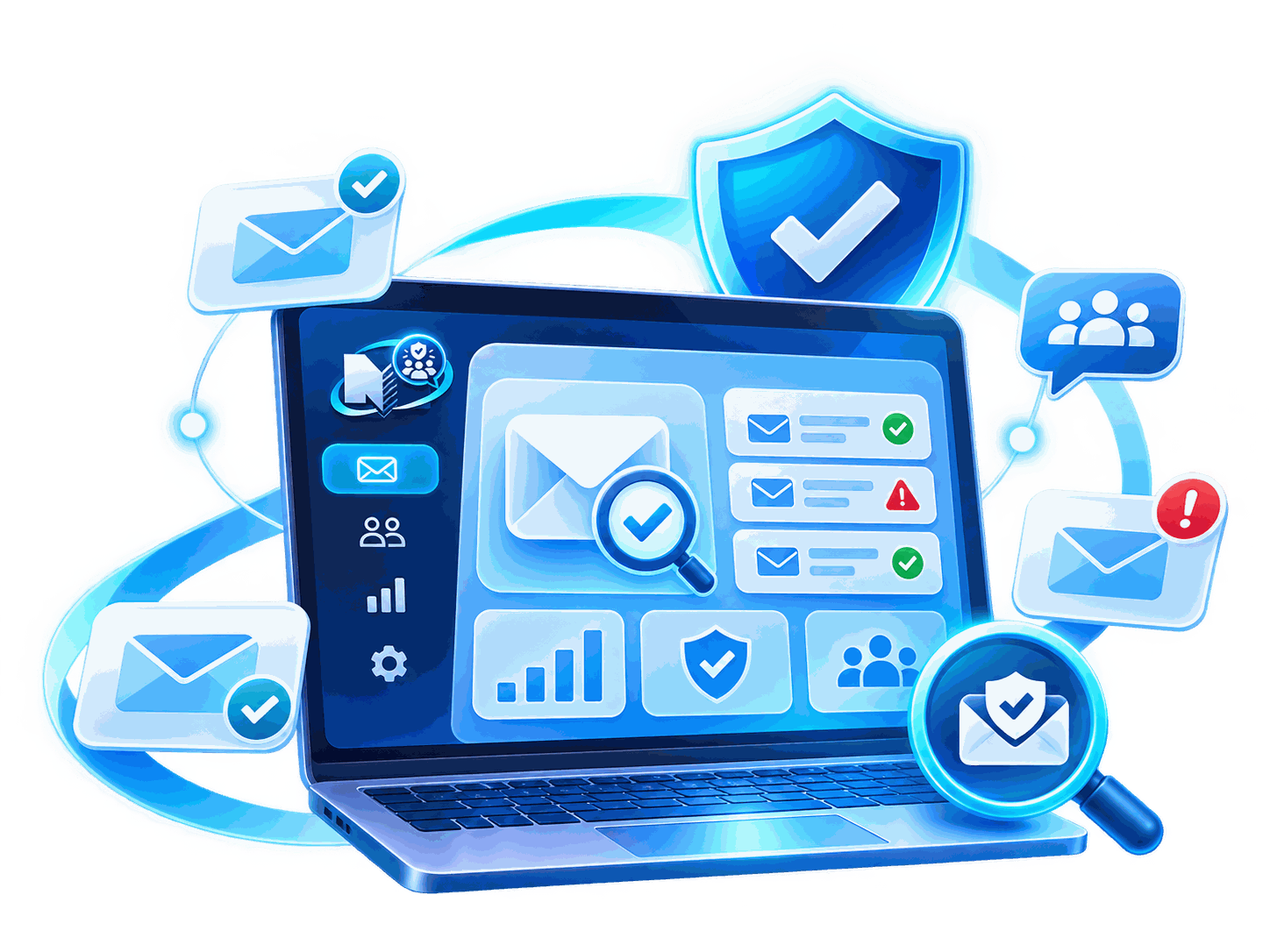
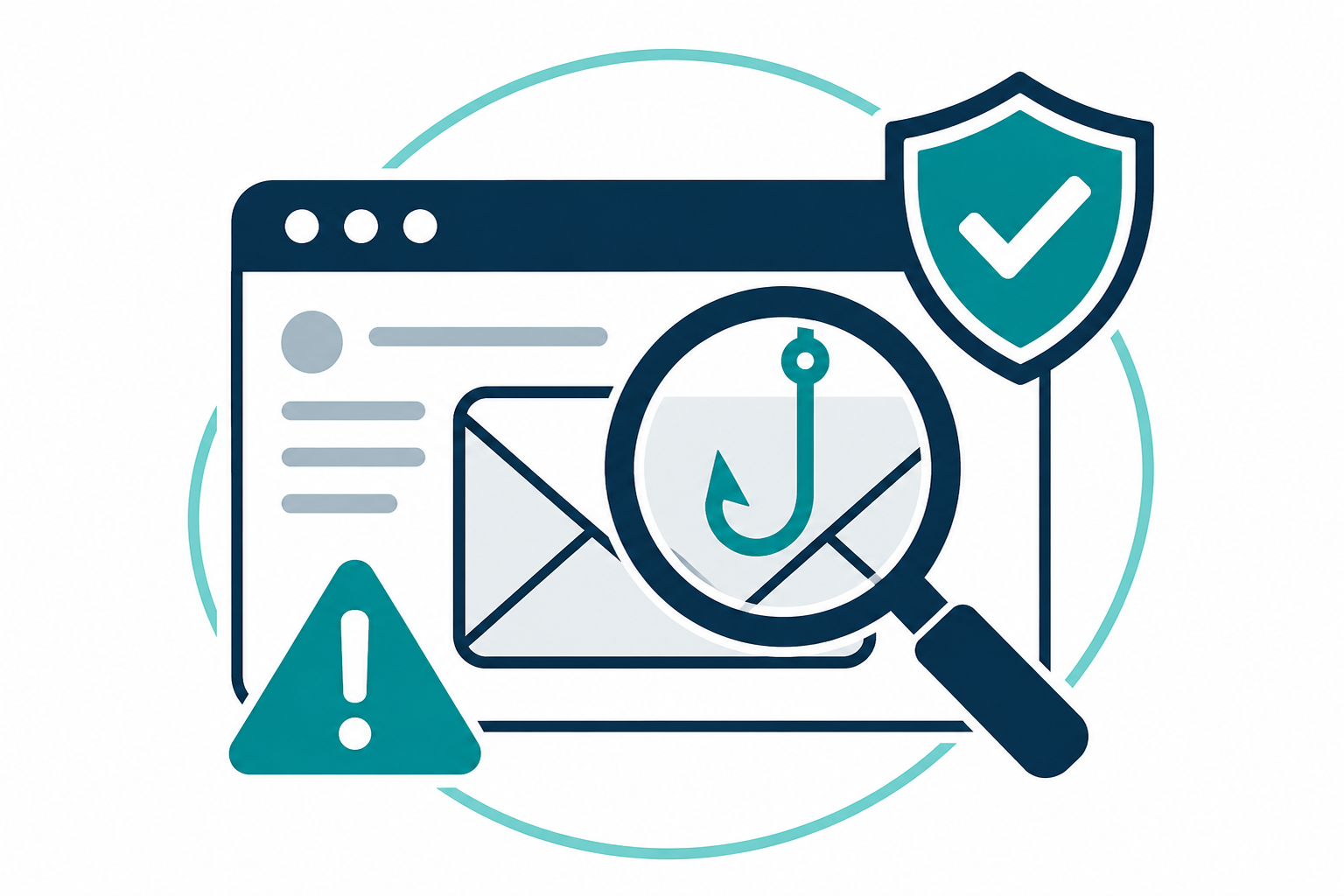
Learn how current phishing research, realistic examples, short videos, and shareable awareness content work together to build better employee recognition.
Read the White Paper
Content based on real, current phishing tactics, scams, and social-engineering techniques.
Numbered red flags point employees to the exact details that should make them pause.
Simulated phishing emails, QR-code scams, fake sign-in pages, malicious attachments, and more.
Ready-to-use awareness content that decision-makers can forward or share with employees.
Matthijssen handles the research and content creation. You simply share relevant awareness content with your team.
Our team monitors current phishing, social-engineering, QR-code, and impersonation tactics.
We turn current threats into practical emails, videos, examples, and clear warning signs employees can recognize.
Client decision-makers can forward or share the content with employees without managing another platform.
Get a quick look at Matthijssen Aware and see how current threats are turned into practical cybersecurity-awareness content your organization can share with employees.
Learn how current phishing research, realistic examples, short videos, and shareable awareness content work together to build better employee recognition.
Read the White Paper →
See how timely awareness content can help an employee recognize the warning signs of a QR-code phishing attempt before taking action.
View the Case Study →Suspicious emails designed to steal credentials, deliver malware, or convince employees to take unsafe actions.
Malicious QR codes that send employees to fake payment pages, sign-in portals, or other deceptive websites.
Convincing login pages designed to imitate Microsoft 365 and other trusted services in order to capture passwords.
Documents, archives, and other files designed to deliver malware or lead employees into a broader attack.
Messages and requests that use urgency, authority, curiosity, or trust to persuade employees to bypass normal safeguards.
Fraudulent messages that pretend to come from executives, vendors, coworkers, or other trusted contacts.
Employees who recognize the shape of an attack are more likely to pause, question it, and report it before taking action.
Ongoing cybersecurity-awareness education can help demonstrate that security training and employee awareness are part of your organization’s broader security program.
QR codes, malicious attachments, fake sign-in pages, and social-engineering requests can reach employees even when traditional security controls are in place.
Regular awareness content keeps cybersecurity visible throughout the year instead of relying on a single annual training session.
© 2020 Matthijssen Business Systems, All rights reserved. | Privacy Policy